
The RNG Paradox: Why Slot Players Keep Coming Back
Somewhere in a Nevada casino in the late 1970s, a mechanical slot machine had a fault. The reels hadn't been aligned correctly, and for a few glorious weeks, players kept hitting jackpots that shouldn't exist. The casino never fixed it. They just kept paying out, because those faulty machines drew more foot traffic than anything else on the floor. It's an old story, possibly apocryphal, but it captures something true: players are not really chasing the odds. They're chasing the feeling that the odds might be wrong in their favor. Every modern slot, poker table, and sportsbook is essentially a machine built to manufacture that feeling, and the iGaming industry's job is to do it at scale, twenty-four hours a day, on a screen in your pocket.
Understanding that tension—between cold mathematics and genuine human thrill—is what separates players who enjoy the space from players who get chewed up by it. So let's talk about how the modern iGaming ecosystem actually works underneath the hood.
The Mathematics Beneath the Lights
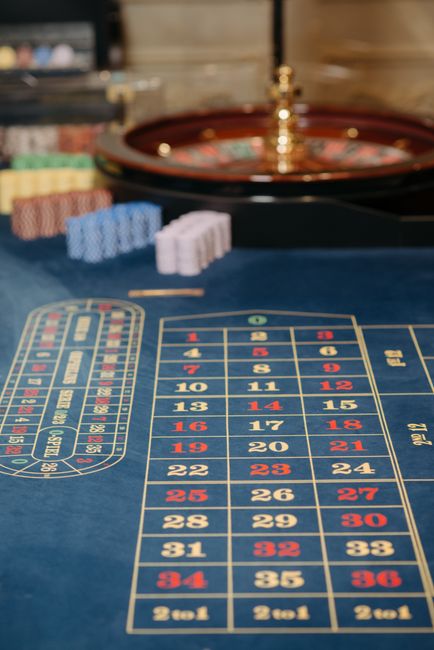
Every casino game can be reduced to one number: the house edge. If you play blackjack using perfect basic strategy in a standard Vegas game, the house edge sits around 0.5 percent. On European roulette, the single zero pushes it up to roughly 2.7 percent. On American roulette, that second green pocket against thirty-eight total sections jumps the edge to 5.26 percent—nearly double, for no reason other than the drop of a green bit.
Slots are a different beast entirely. Land-based slot machines typically run between 2 and 15 percent house edge depending on jurisdiction and denomination; penny machines on a casino floor tend to be tighter than high-limit ones. Online slots, paradoxically, often have better return-to-player percentages than their physical cousins—many regulated European markets require a minimum RTP of 87 percent, and typical online slots sit around 94 to 96 percent. That sounds generous, but RTP is calculated over millions of spins. A 96 percent RTP means over an average lifetime of play, 4 percent of everything you wager vanishes into the machine. Watch a hundred-dollar bill turn into ninety-six dollars, then nine-four, then ninety-two.
- House edge is not a tax on luck—it's the slot machine's salary.
- Volatility (variance) matters more than RTP for short sessions: a 96% RTP slot with extreme variance can still wipe your bankroll in forty spins.
- The same slot may have different RTP settings in different casinos—some providers ship games with multiple configurable return percentages.
Slots Aren't Random. They're Engineered.
Modern slot machines don't use spinning anything. They use a random number generator—a piece of software that produces billions of outcomes per second. The moment you press spin, the RNG is frozen and the result is read. That outcome was decided microseconds before you touched the button. Which means there is no such thing as hot or cold in the machine's wiring—only in your head.
What the machine does engineer is anticipation. The near-miss feature—where two jackpot symbols land and a third stops just one position away—is not coincidental. Game designers deliberately weight reels so that near-misses occur more often than random placement would allow. Studies from the University of Waterloo in the early 2000s showed that near-misses triggered the same dopamine pathways as wins, and increased subsequent betting even though players lost more money. This is not conspiracy theory. It's published cognitive research and a central design principle of the entire slot industry, online and off. Readers looking for specifics may like สล็อตเว็บตรง.
Poker Is a Different Sport
If slots are checkers against the machine, poker is chess against a room full of strangers who may or may not be lying about their hands. Poker is the only mainstream casino game where you're playing against other players, not the house—the casino just takes a rake. Over time, the rake eats more than any edge you can hold over your opponents unless you're genuinely better than the field. That's why poker has the highest skill ceiling and the most brutal learning curve in the building.
Online poker changed the game in ways that are still shaking out. Multi-tabling—playing four, eight, or even sixteen tables at once—turned strong players into pseudo-bots, then actual solvers emerged. Today, elite online players study with software that models entire game trees and can assign a GTO (game-theory optimal) strategy to every possible preflop situation. The average recreational player sitting down after work is not just facing a human opponent anymore; they may be facing someone with a supercomputer-derived strategy from a training tool they paid fifty dollars a month for.
Quick tips for surviving modern online poker:
- Stick to micro-stakes until you understand basic ranges. The money's the same thrill; the tuition is cheaper.
- Pick a niche. Fast-fold variants (Zoom, Rush, Blitz) reward tight, aggressive play and punish loose limping harder than regular tables.
- Use tracking software where permitted. If the site allows HUDs, running without one is like playing blindfolded.
Sports Betting: Where Psychology Goes to Die
Sports betting looks intellectually honest because it involves knowledge—players, injuries, weather, line movement. But the bookmaker's advantage is baked into the odds through the vig (also called the juice or cut). On a typical NFL game with -110 on both sides, you need to win 52.4 percent of your bets just to break even. That's not a small edge. That's a second full-time job that pays zero unless you find genuine value.
Where modern sports betting has mutated is in live in-play markets. An algorithm updates the odds on the next pitch, next point, next drive, every few seconds. The line moves faster than your knee. The best bettors use models—actual statistical models, like the ones quantitative hedge funds use—to identify where the market has mispriced a team. The drunk guy at the bar screaming at his phone because his parlay needs one more quarterback touchdown is not doing this.
If you want to know whether you're a recreational or winning sports bettor, ask yourself one question: have you ever bet on a game you have no opinion about, because the odds looked appealing on the scoreboard? If yes, the house has your number. That's fine—it's the price of entertainment. But never confuse it with investing.
The Regulated Side Nobody Talks About
The iGaming industry is heavily regulated in mature markets like the UK, Malta, Sweden, Denmark, and various US states. Operators must hold licenses that require, among other things: provably fair RNGs tested by labs like GLI and eCOGRA, player-funds segregation (your money in escrow, not the operator's operating budget), and mandatory saver tools like deposit limits, reality checks, and self-exclusion registers.
This is genuinely good news for players—but it's not glamorous, so no one writes listicles about it. If you're playing on a licensed site, you have the right to know your session losses, rate-limit your own spending, and permanently block yourself if needed. Use those tools early. Before you need them.
Gambling is not money bad, but neither is it a wealth strategy. The poker and sports-betting winners you hear about are statistical outliers, not a model for your weekends. If you play because the anticipation feels good, fine—admit it, budget for it, and keep the totals visible. If you play believing you're one strategy away from beating the house, remember: they spent a hundred years engineering that thought, and they still use it because it works.
